
Condensation is a clue. Start with the whole home.
Moisture on a window can be influenced by indoor humidity, surface temperature, room use, ventilation, recent weather and how the home is being operated.
A photograph cannot show which pattern applies. A Home Performance Baseline records selected conditions across the home, room by room, so the next decision begins with a connected record rather than one assumed cause.
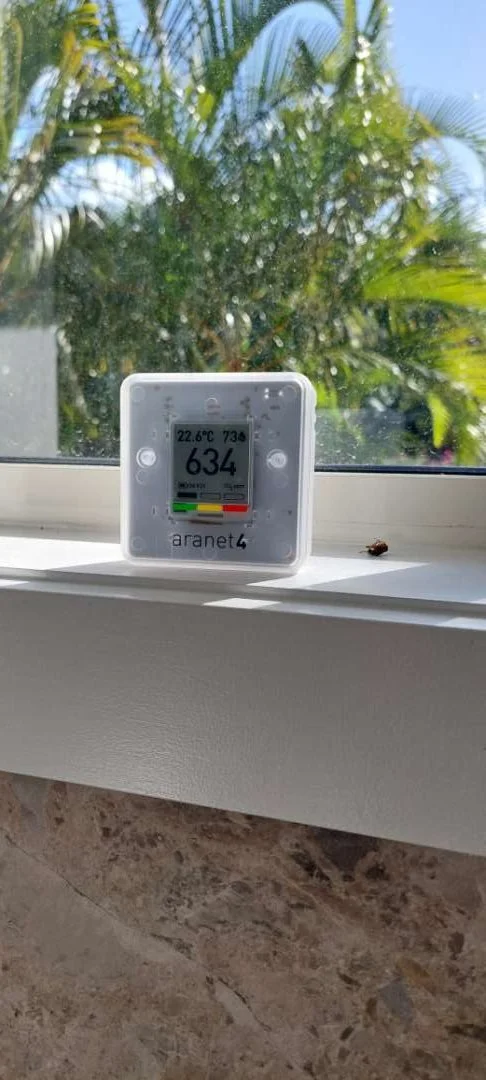
Why one wet window is not the whole answer
Condensation forms when moisture in the air meets a surface cool enough for water to collect.
That explains the physical event. It does not, by itself, explain why it is recurring in this home, whether the pattern is limited to one room or what action is sensible.
The useful questions are wider:
- Is it one room or several?
- When does it appear and how long does it remain?
- What were the indoor and outdoor conditions?
- How was the room being used?
- What do nearby surfaces and mapped reference points show?
- Is there a pattern worth monitoring or investigating further?
What I record
In the areas we agreed, I record:
- temperature, relative humidity and other agreed room conditions while I am on site;
- moisture-indicator readings at selected mapped wall, opening and wet-area locations;
- apparent surface-temperature patterns where thermal conditions support interpretation;
- recent weather, occupancy, window, door, fan and heating or cooling context;
- referenced photographs and the location of each useful reading; and
- the limitations of the visit, access and method.
Airflow testing and extended logging are available separately when they are useful. They are not implied by this page.
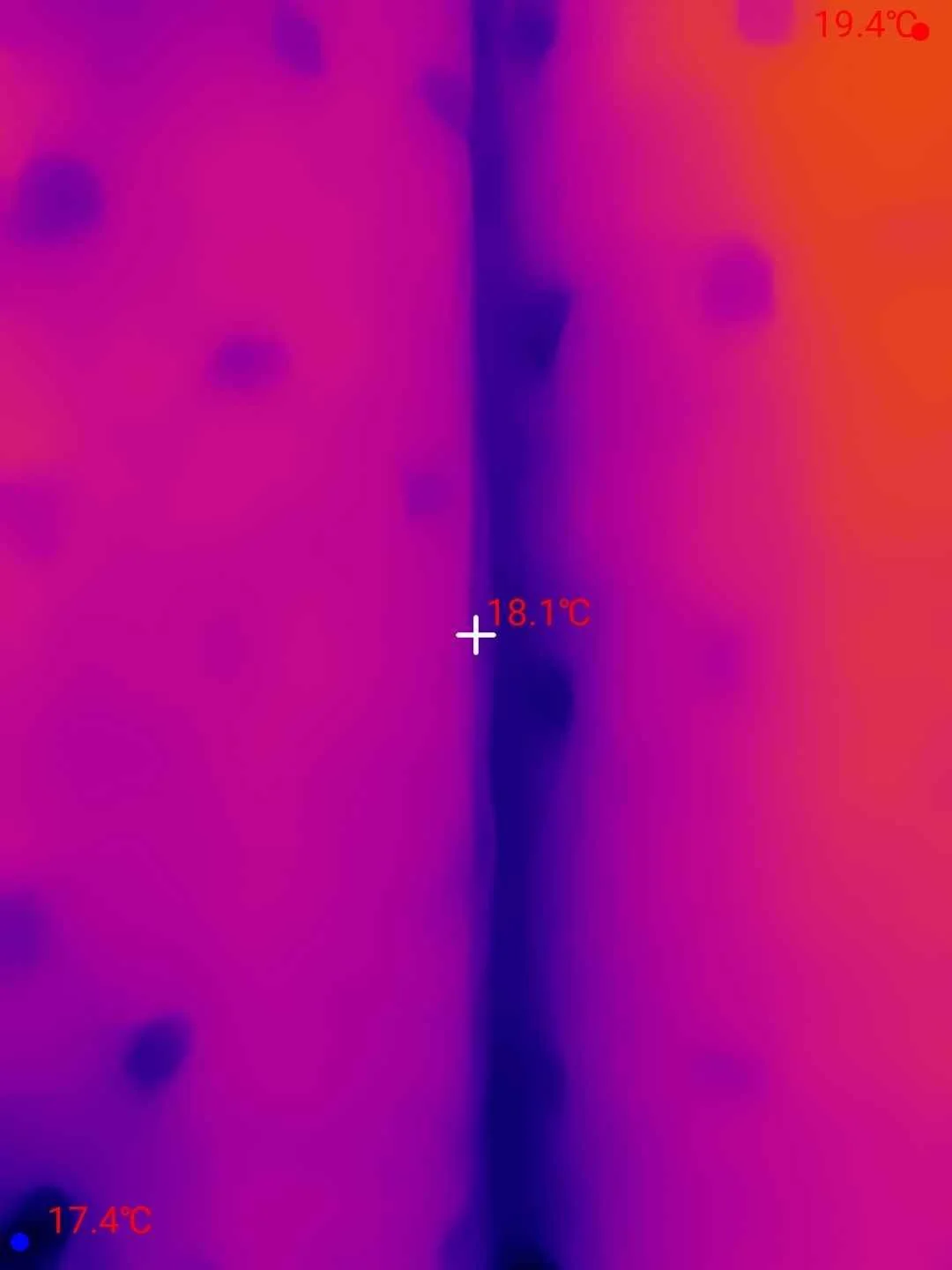
Why the whole-home view matters
A room can behave differently from the rest of the home. A visible symptom can also sit inside a wider pattern.
The Baseline connects the rooms, mapped points and assessment-day conditions. That makes it easier to see whether the condensation question is genuinely contained or deserves a wider next step.
It does not identify mould, determine health risk, certify the home or guarantee that concealed issues are absent.
What you receive
You receive the measured record, my builder-led interpretation, the stated limitations and the next useful step.
Every Home Performance Baseline also includes a Home State account: a secure online record where the three-dimensional home model, mapped evidence, report and walkthrough can be viewed together. The same home record can be added to if a later comparison is commissioned.
Price and timing
Home Performance Baselines start at $1,815 inc GST.
What’s covered, travel and the full price are confirmed in writing before booking.
A standard visit is around four hours. Most reports are done within three business days.
Common questions
Can you tell the cause from a photo?
No. A photograph can show the visible condensation but not the connected conditions across the home.
Is this a mould assessment?
No. I do not identify or sample mould, or determine health significance. I can record building conditions and recommend the appropriate specialist pathway where needed.
Will the Baseline catch every problem early?
No. A mapped starting record gives later readings something to be compared against, which improves the chance that a change is noticed early. It cannot promise that every emerging or concealed issue will be identified.
Is one room enough?
Sometimes. If the question is genuinely contained, a Targeted Environmental Room Scan may be the sensible starting point. The free call or review form helps route it.
Start with the pattern, not the assumption.
Use the free 15-minute call to explain what you are seeing, where it appears and what decision is coming next.
Read the guide: Condensation on windows in Coffs Harbour homes: what to measure before you spend.