
The Hidden Layer of Every Home: Why We Measure Before We Build
Most homes are never properly understood.
They are designed, modified, renovated, and extended — without ever being measured.
No confirmation of moisture movement.
No verification of heat loss.
No understanding of air leakage.
Just assumptions.
And assumptions are where problems start.
What We’re Seeing On Site
Across Coffs Harbour and surrounding areas, we’re consistently finding the same patterns:
Bathrooms failing years after completion
Moisture sitting inside wall cavities with no visible signs
Heat loss through poorly installed insulation
Air leakage through penetrations that were never sealed
Ventilation systems that don’t actually ventilate
These aren’t rare issues.
They are standard.
And most of them were avoidable.
What Diagnostics Actually Is
Diagnostics is not a guess.
It is measurement.
It is the process of understanding what a building is doing before making any changes to it.
That includes:
Moisture measurement across materials and assemblies
Thermal imaging to identify heat loss and bridging
Air leakage detection through pressure and smoke testing
Ventilation and air quality verification
Mapping risk before any demolition or upgrade begins
This is the first decision gate.
Not feasibility.
Not design.
Not pricing.
Measurement.
What Happens When You Skip It
When buildings are upgraded without diagnostics, the result is predictable:
You fix one issue and create another
Moisture gets trapped inside upgraded assemblies
Insulation is added in the wrong sequence
Airtightness improves in the wrong areas and worsens elsewhere
Mould risk increases after “improvements”
This is why partial upgrades fail.
The building is a system.
Not a collection of parts.
Real Work, Real Conditions
Moisture Detection — Bathroom Failure
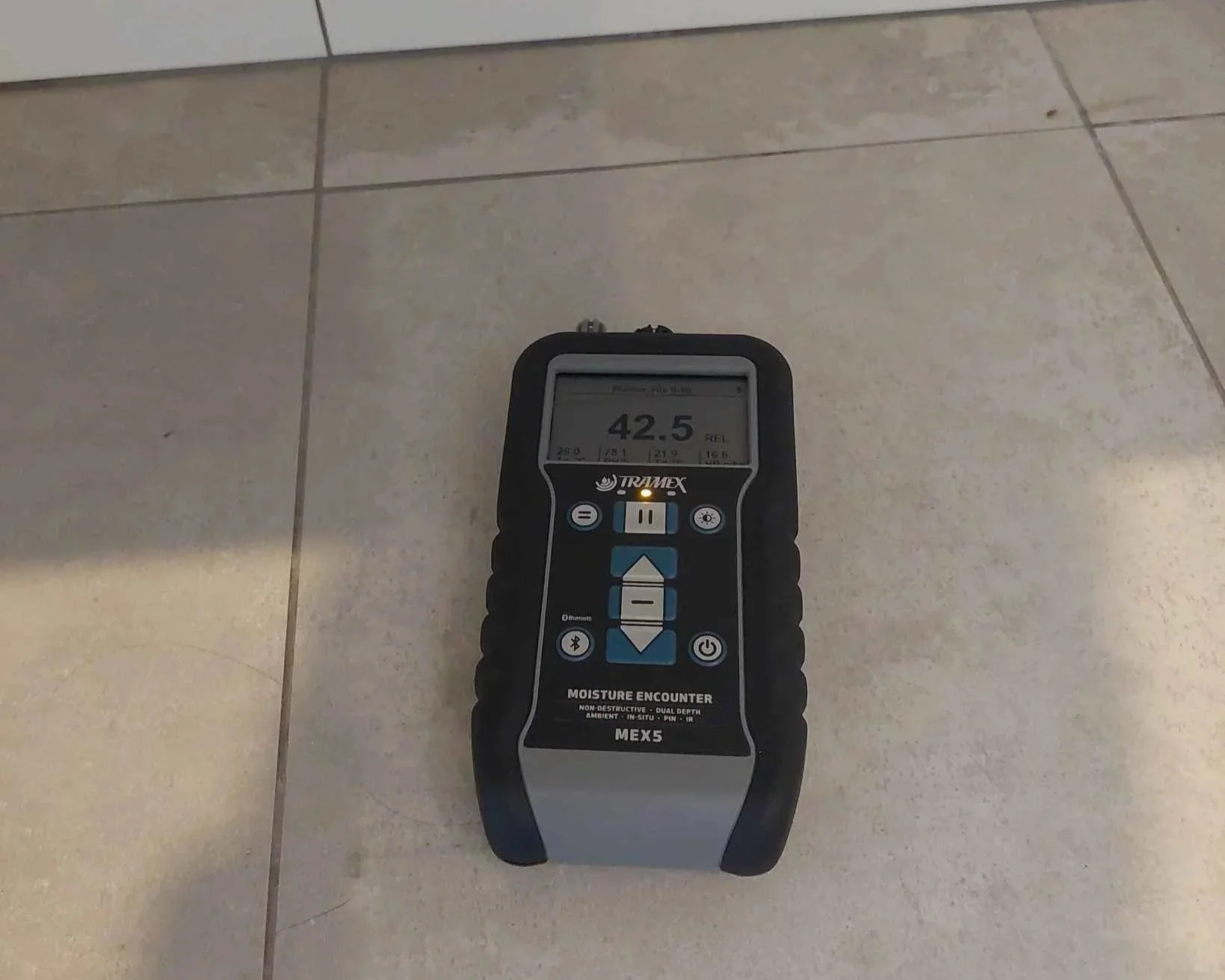
Baseline moisture reading taken on dry tile surface to establish control conditions before testing wet areas.
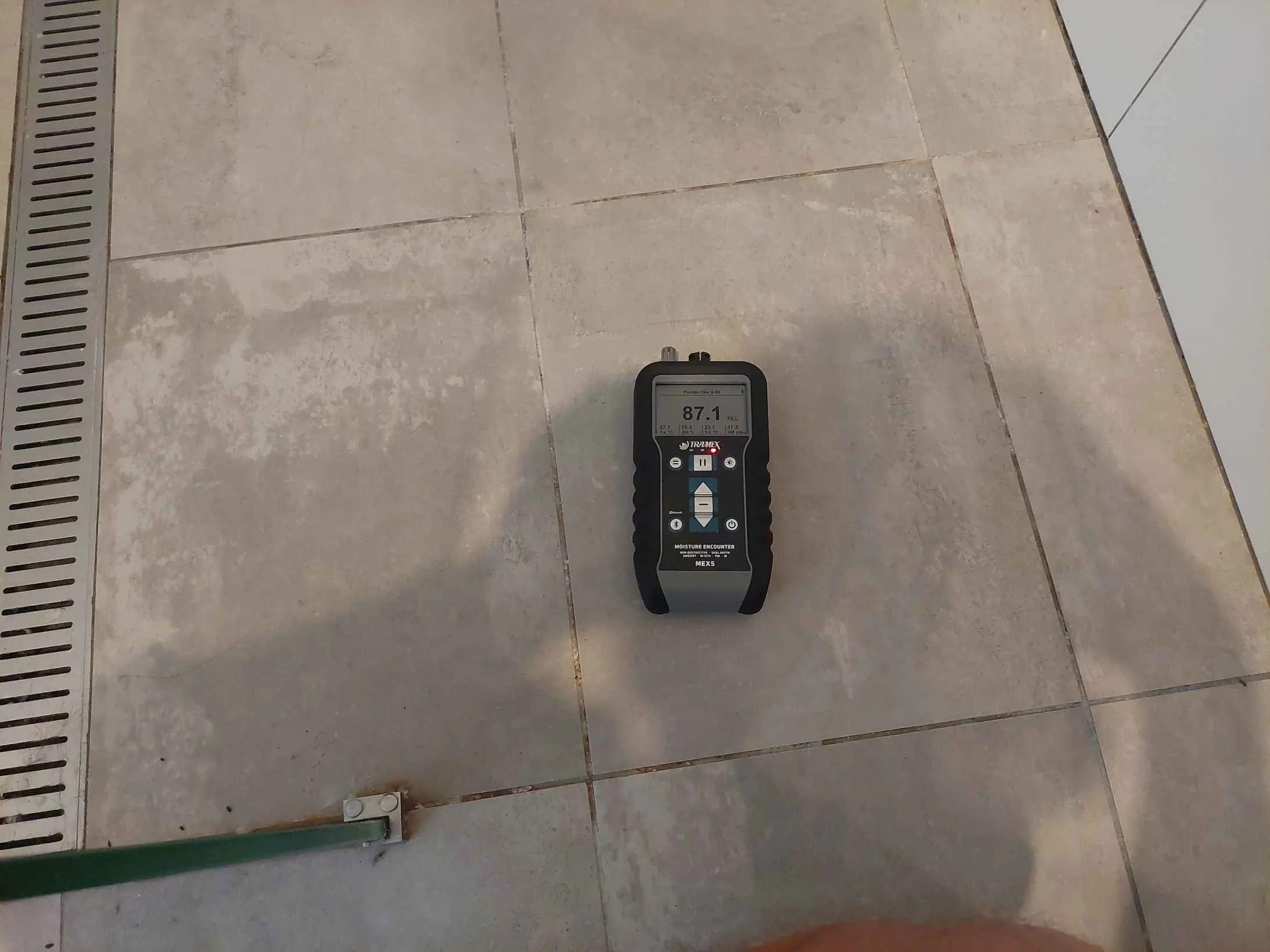
Elevated moisture levels recorded in shower area, indicating potential waterproofing failure or moisture buildup behind tiles.
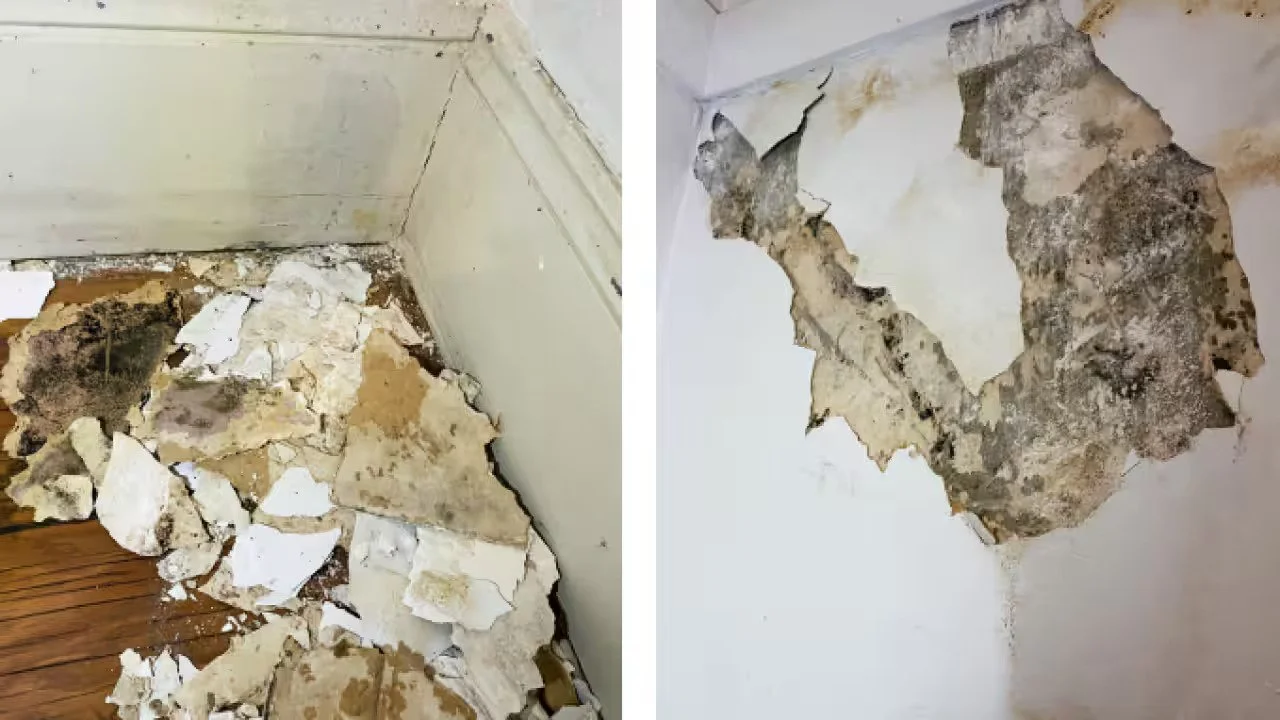
Extensive mould growth and material breakdown observed following prolonged moisture ingress within wall assembly.
A bathroom can look complete on the surface.
Behind it, moisture can be building for years.
By the time it becomes visible, the damage is already extensive.
Measurement shows it early.
Thermal Imaging — Heat Loss & Gaps
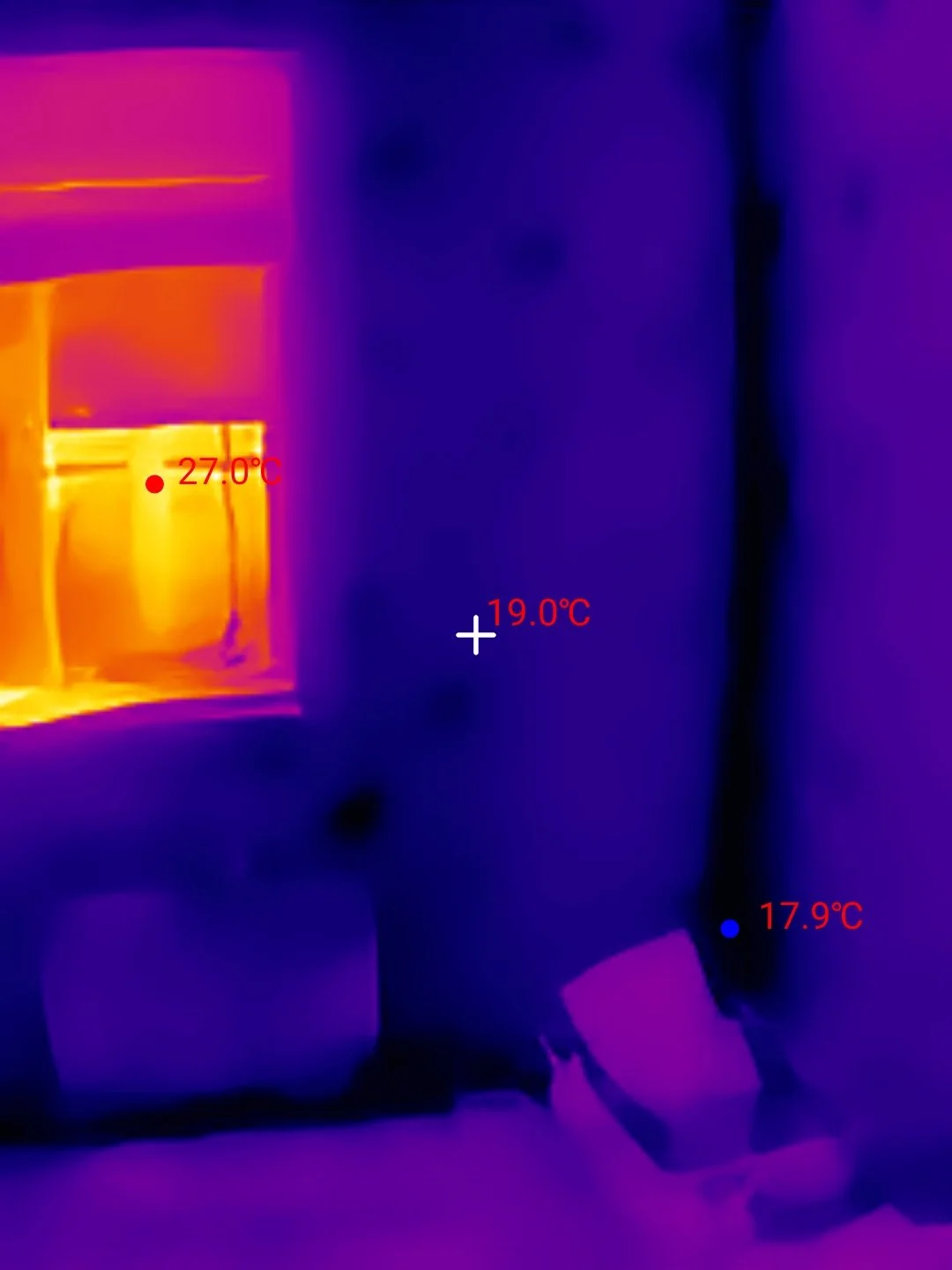
Thermal imaging reveals temperature differences between window area, internal wall and corner junction, highlighting heat transfer and potential thermal bridging.
Thermal imaging exposes what can’t be seen:
Missing insulation
Thermal bridges
Air leakage pathways
This is where performance is lost.
Air Leakage — Invisible Failure
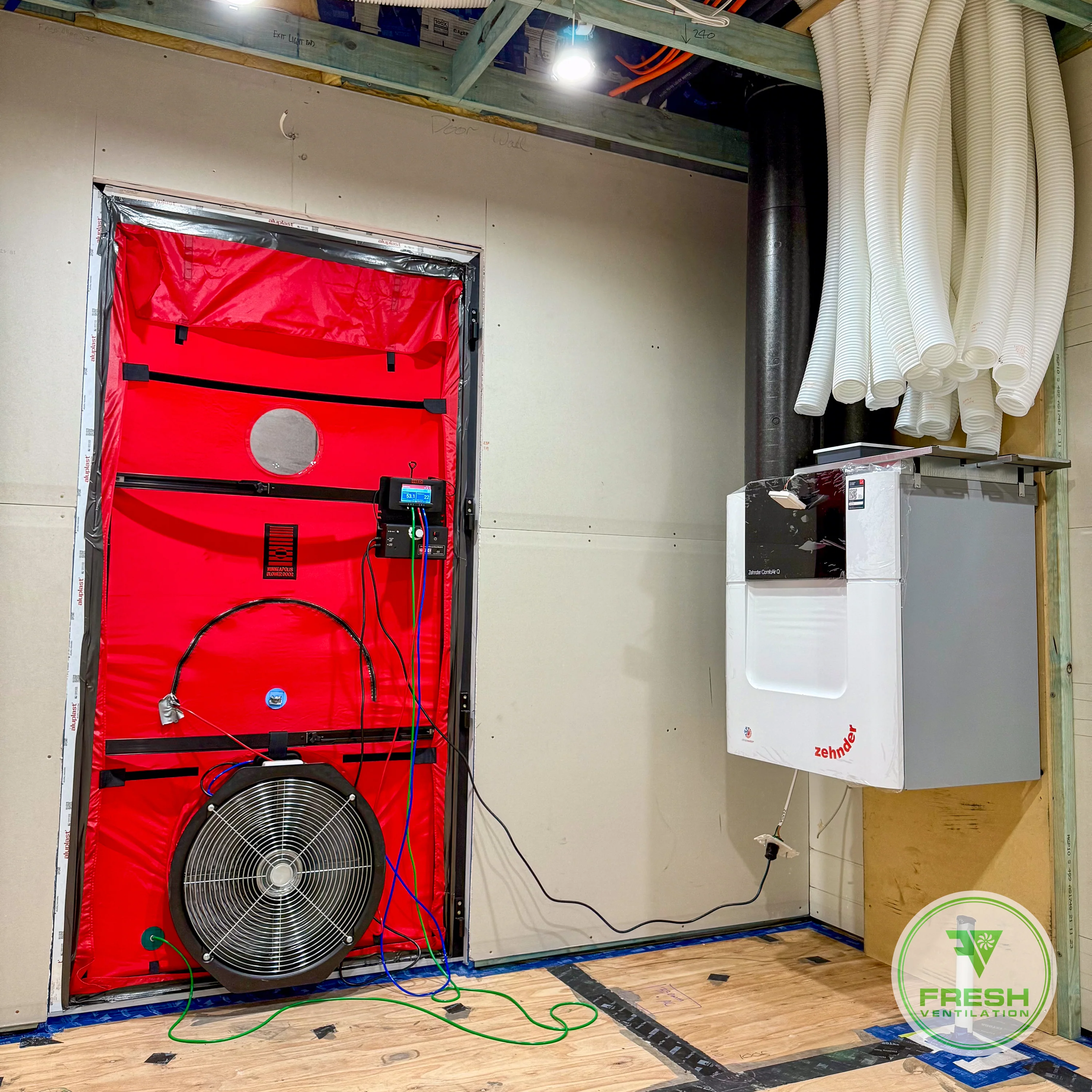
Blower door testing used to measure building airtightness, paired with mechanical ventilation system to control airflow and maintain indoor air quality.
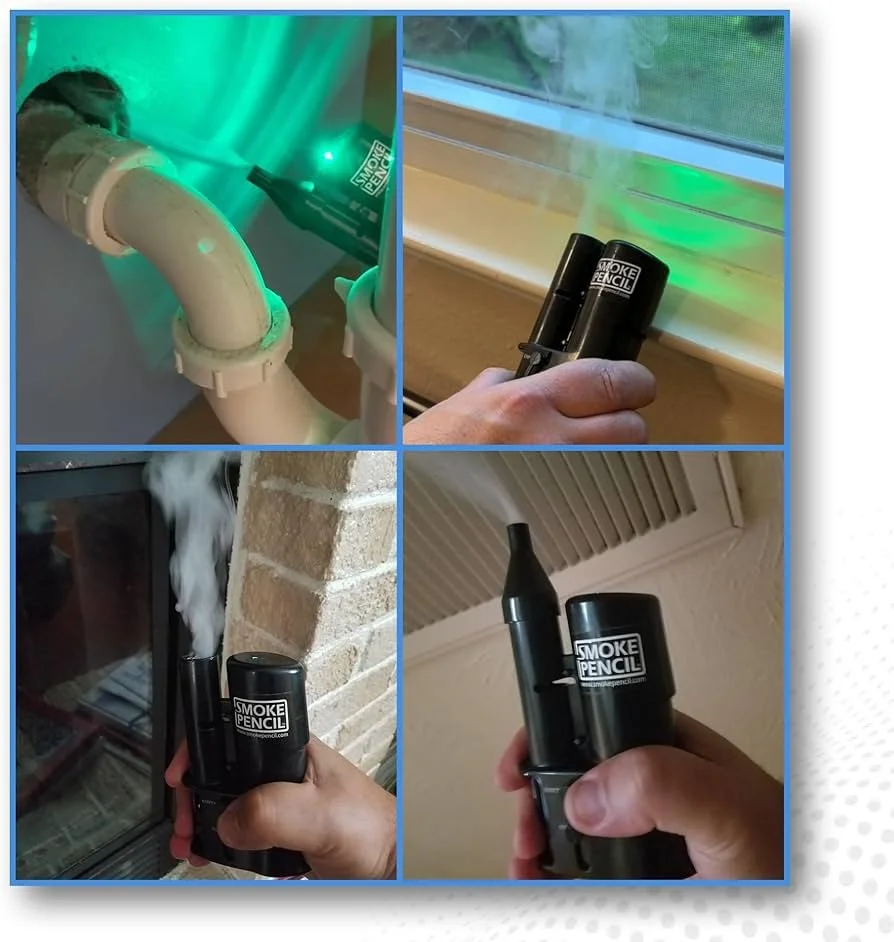
Smoke testing used to identify uncontrolled air movement through key building junctions including penetrations, windows, fireplace and ventilation points.
Air doesn’t move randomly.
It follows pressure and gaps.
Every penetration, junction, and connection point matters.
Without testing, it’s all guesswork.
Where This Is Heading
This is not just about inspections.
This is the start of a different way of building.
A system where:
Every project begins with data
Every decision is based on measured conditions
Every upgrade follows correct sequencing
Every home becomes a known system — not an unknown
The long-term direction is clear:
Buildings will be measured, mapped, and tracked over time.
Performance will not be assumed — it will be verified.
This is already standard in high-performance building internationally, including frameworks taught through organisations like the Australian Passive House Association, where building performance is based on physics, not opinion.
Why This Matters
Most construction issues are not created during the build.
They are created before it.
Before scope is defined
Before sequencing is understood
Before the building is measured
That is why we’ve shifted the starting point.
We measure first.
Then we decide.
Then we build.
What This Means For You
If you’re planning:
A renovation
An extension
A bathroom upgrade
A performance upgrade
The question is not:
“How much will it cost?”
The first question is:
“What is the building actually doing right now?”
Until that is answered, everything else is a guess.
Next Step
Start with a Home Diagnostic Assessment.
Understand the building first.
Then move forward with control.