Why Passive House Is Still Rare in Regional NSW
Passive House has existed for over 30 years.
It delivers:
≤ 15 kWh/m²a heating demand
≤ 0.6 ACH50 airtightness
Verified performance
Controlled ventilation
Measurable indoor air quality
And yet in regional NSW — including areas like Coffs Harbour — it remains uncommon.
This is not because it does not work.
It is because the industry structure resists it.
1. Airtightness Testing Exposes Construction Quality
Passive House requires blower door testing at ≤ 0.6 ACH50.
Under NCC 2019:
Class 1 homes are often effectively around 7–10 ACH50 equivalent.
Testing is rarely mandatory.
Verification is rarely performed.
Most builders do not want to test.
Because testing removes ambiguity.
Once measured, performance cannot be debated.
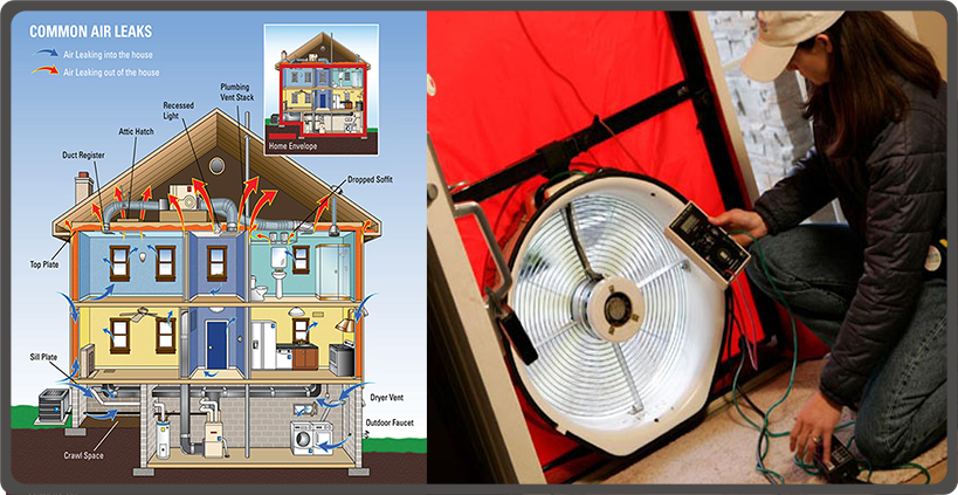
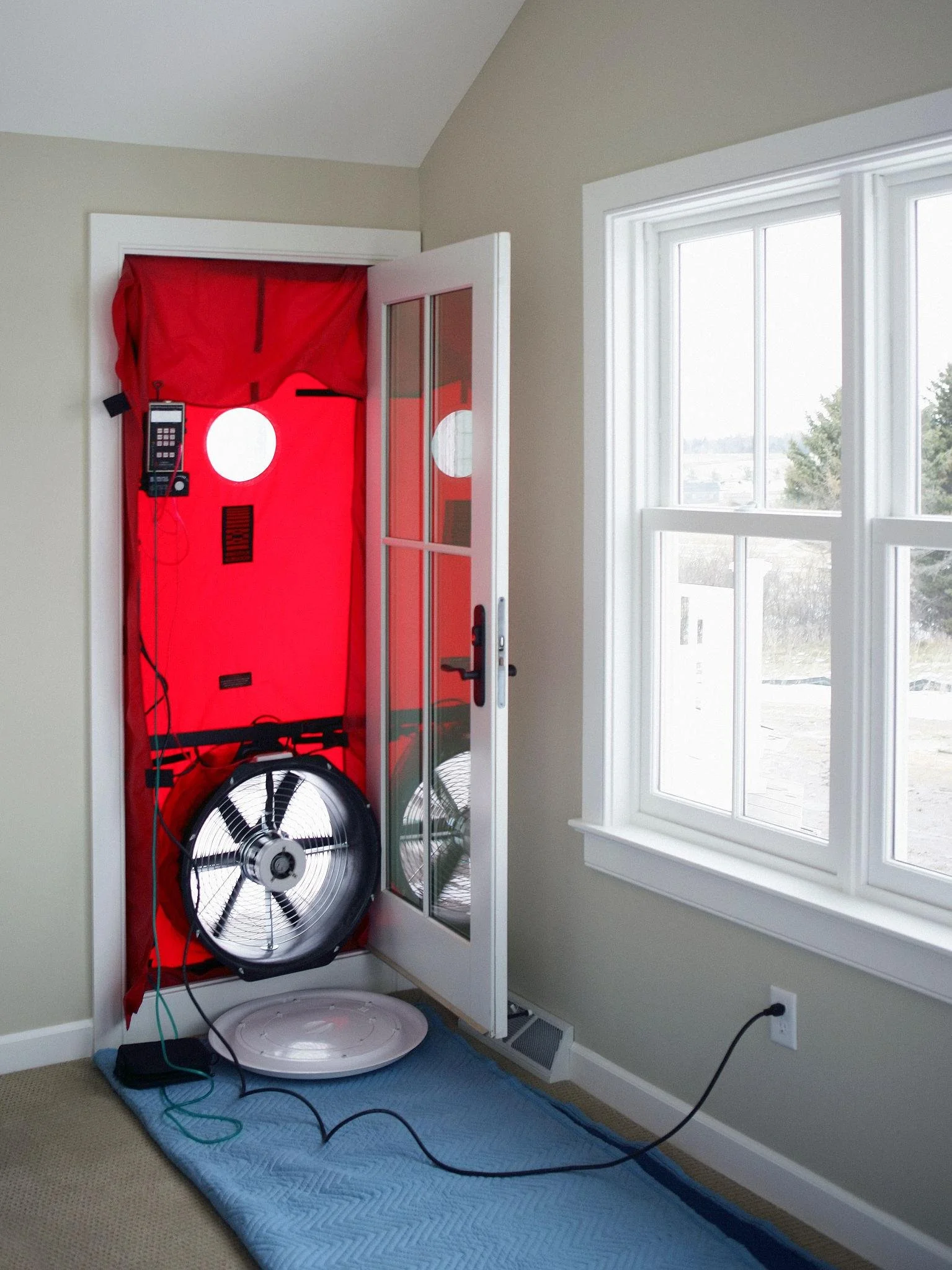
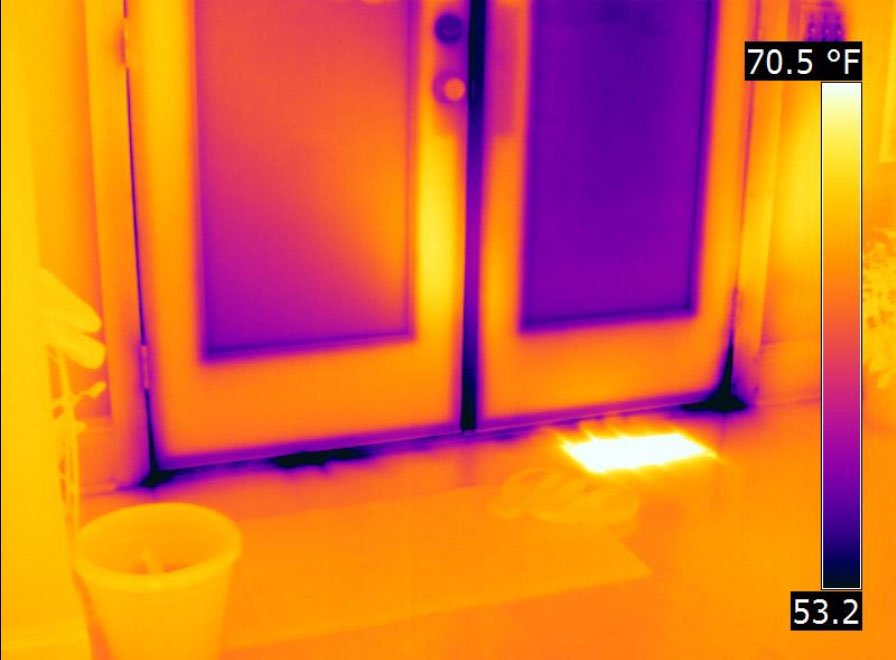
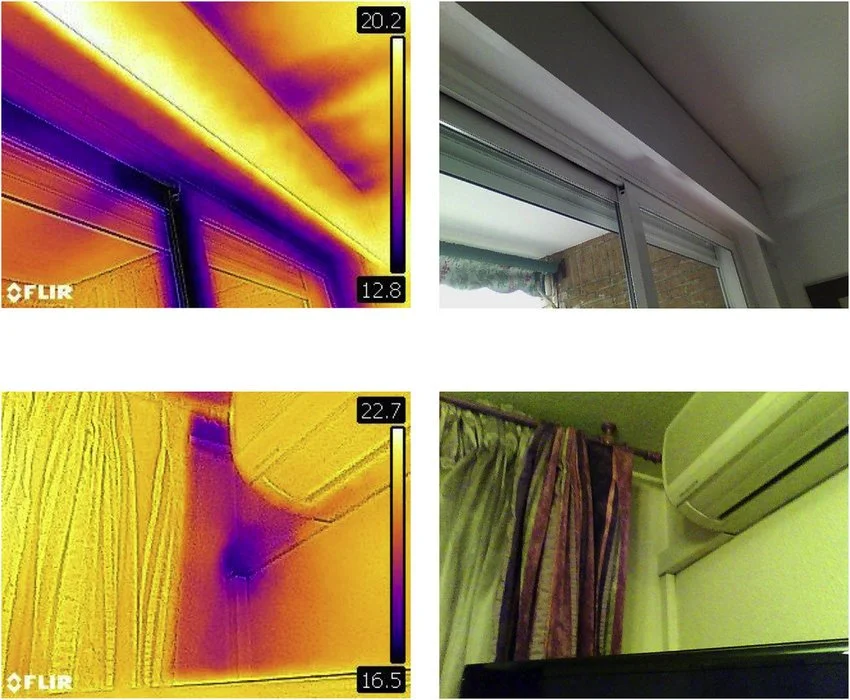
Blower door testing quantifies leakage.
If the result is poor, it is not opinion. It is data.
That requirement alone limits adoption.
2. It Demands Design Integration
Standard residential projects are fragmented:
Architect
Engineer
Builder
HVAC contractor
Window supplier
Passive House requires integration before construction begins:
Continuous insulation planning
Thermal bridge modelling
Window installation positioning
Service cavity design
Ventilation duct routing
Most regional projects are documentation-light.
Passive House is documentation-heavy.
That shift requires discipline.
3. Window Performance Is a Structural Shift — Not an Upgrade
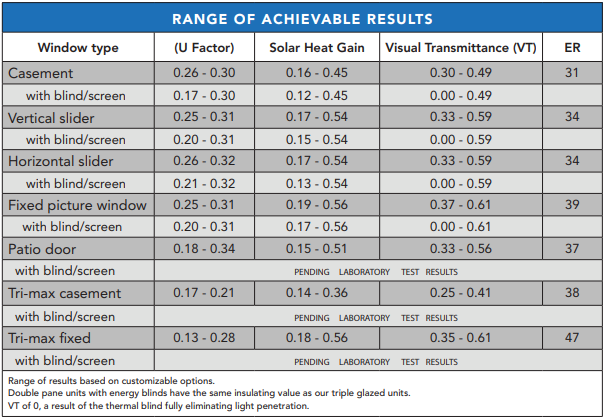
Typical NCC-compliant windows in NSW:
Uw ≈ 1.8 – 3.0 W/m²K
Passive House (Cool Temperate reference):
Installed Uw ≤ 0.85 W/m²K
That is not incremental improvement.
It is a category change.
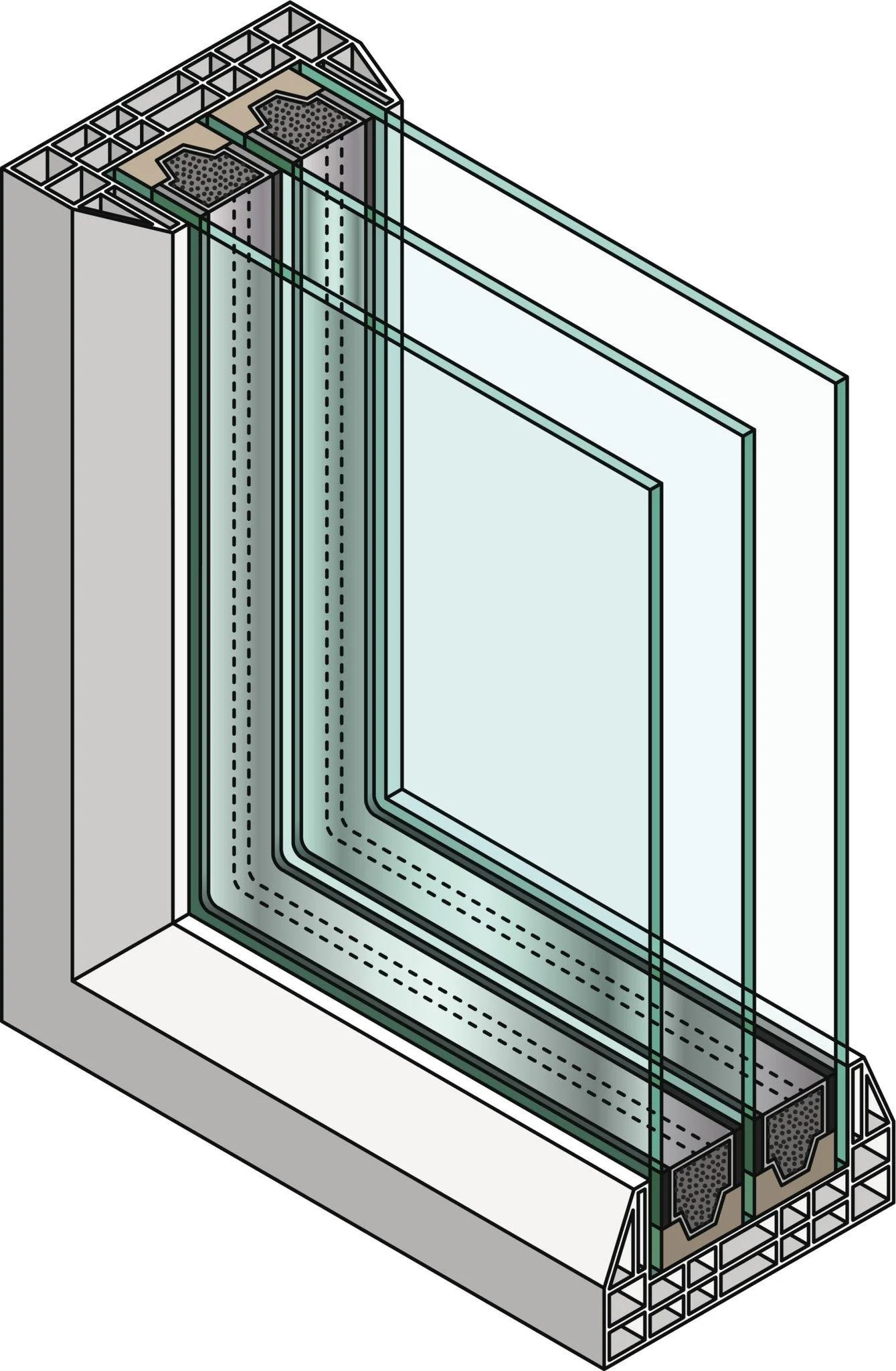
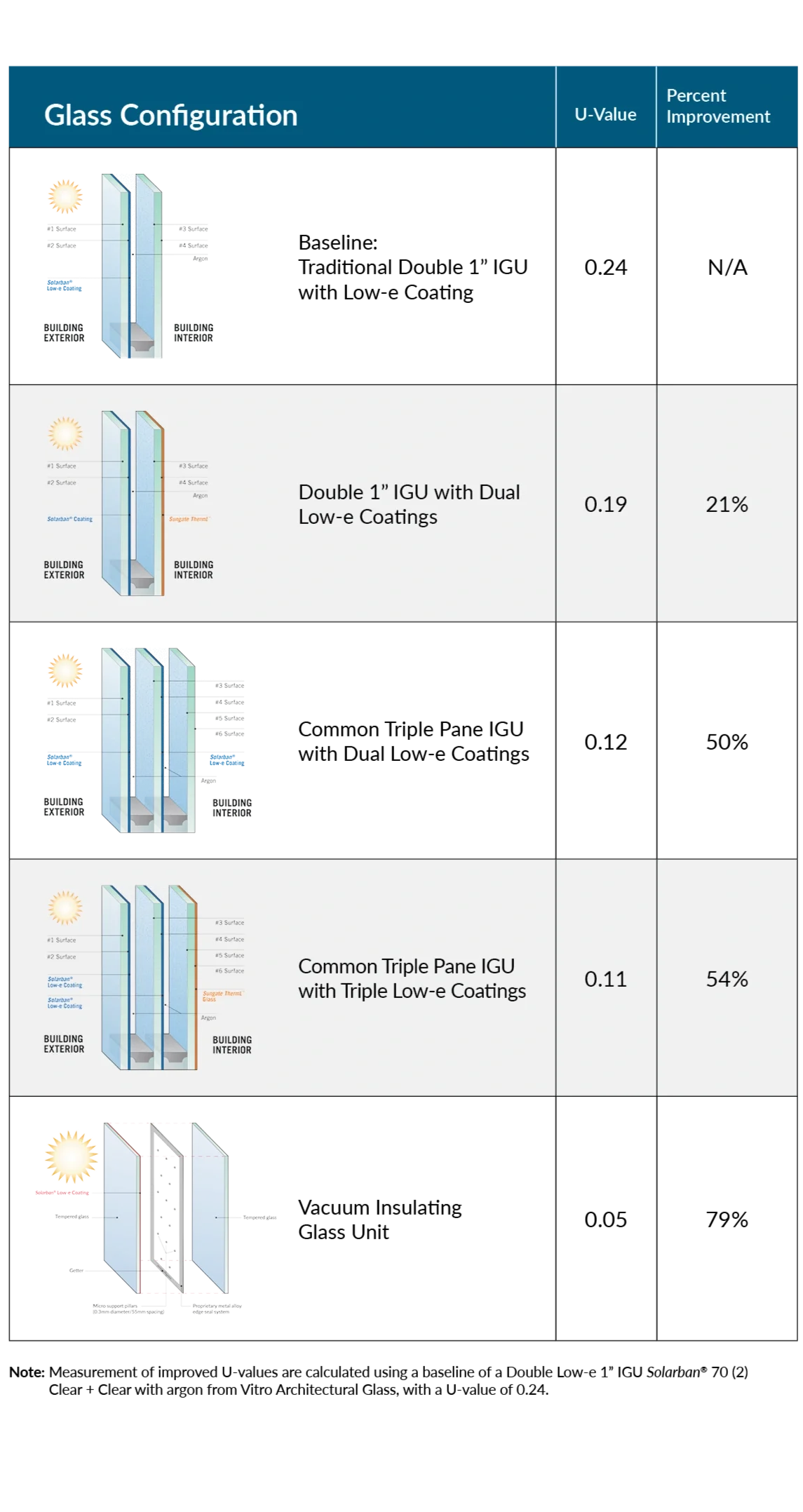
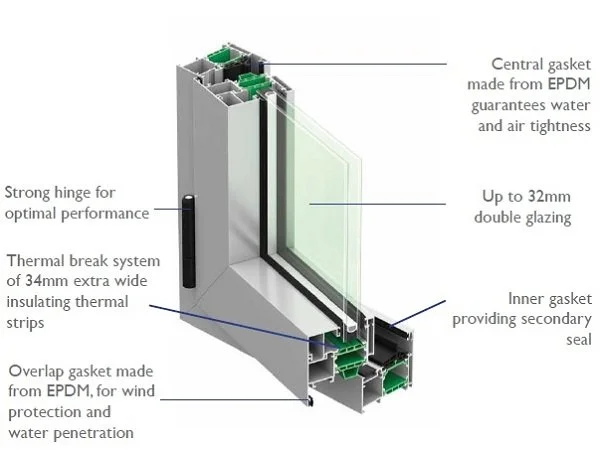
When windows improve:
Surface temperatures increase
Condensation risk drops
Radiant comfort improves
Heating load reduces significantly
Windows are the first visible cost jump.
Clients see the line item.
They do not immediately see the 70–80% reduction in heating load.
4. Climate Misunderstanding
There is a common assumption:
“Passive House is for Europe.”
Incorrect.
In Climate Zone 5 (coastal NSW):
The challenge is not extreme cold.
It is:
Humidity management
Shoulder season temperature swings
Overheating control
Air quality during bushfire smoke events
Passive House solves:
Controlled ventilation
Balanced humidity
Airtight envelope
Reduced dependence on oversized air conditioning
But it must be adapted.
Copying European wall assemblies blindly does not work here.
5. The Cost Reality
In most NSW residential builds:
Passive House upgrade cost:
+3% to +8% upfront
If designed correctly from concept stage.
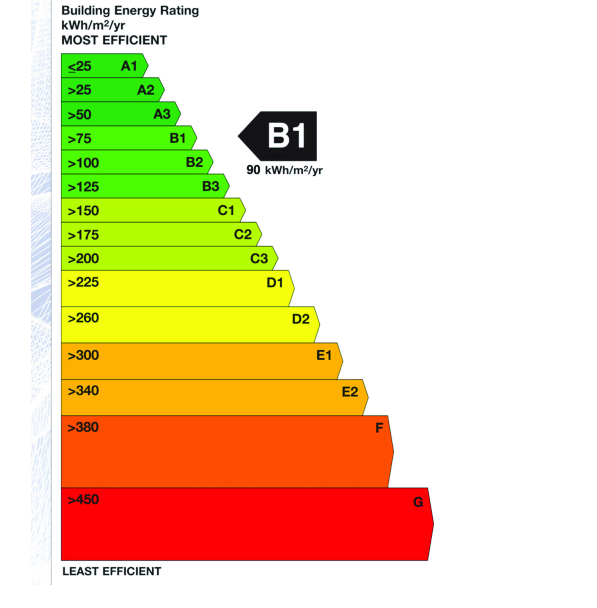
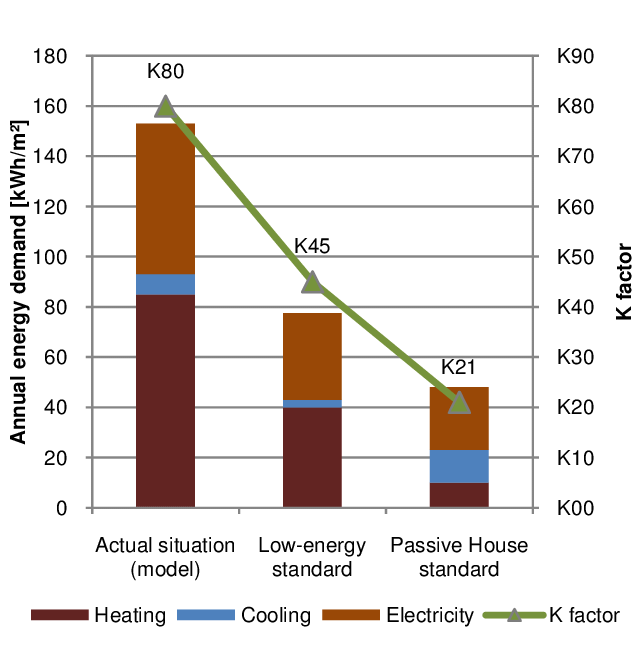
Heating load reduction:
From ~60–80 kWh/m²a → ≤ 15 kWh/m²a.
That is a 70–80% performance shift.
If the project is:
Oversized
Poorly oriented
Structurally complex
Window-heavy without shading control
Yes — costs increase more.
If integrated early:
It is controlled.
Passive House is not expensive.
Late decisions are expensive.
6. Builder Risk Perception
Regional builders operate on:
Familiar systems
Known subcontractor workflows
Known margins
Passive House introduces:
Airtight sequencing
Service cavity planning
Membrane literacy
Quality assurance processes
If a builder does not understand it deeply, they avoid it.
Not because it fails.
Because it requires precision.
7. Why It Will Become More Common
Three forces will shift the market:
Energy price volatility
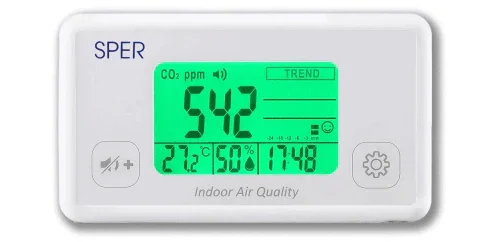
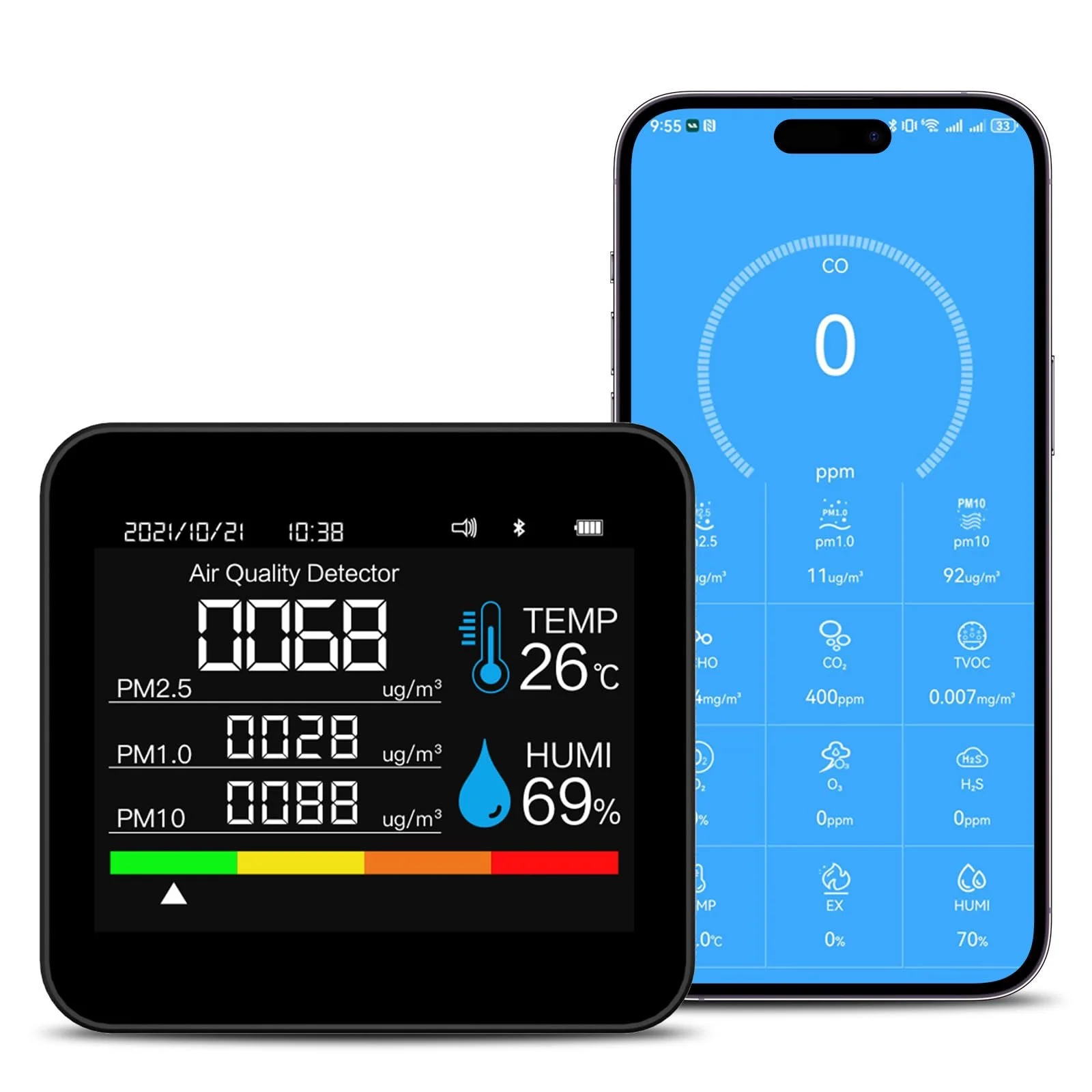
Health awareness (humidity, mould, IAQ)
Clients demanding measurable performance
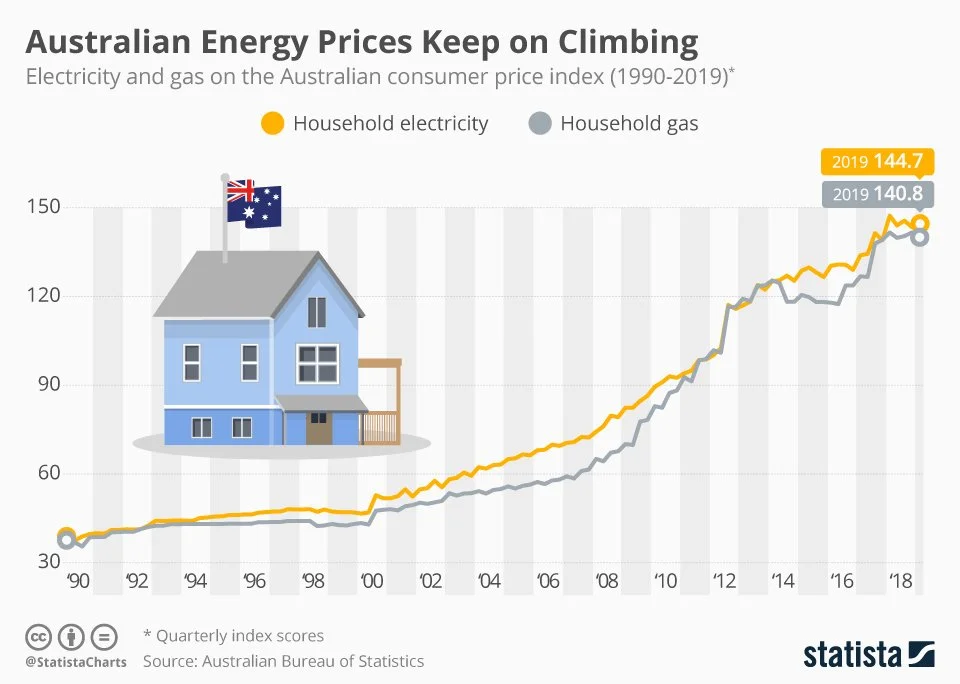
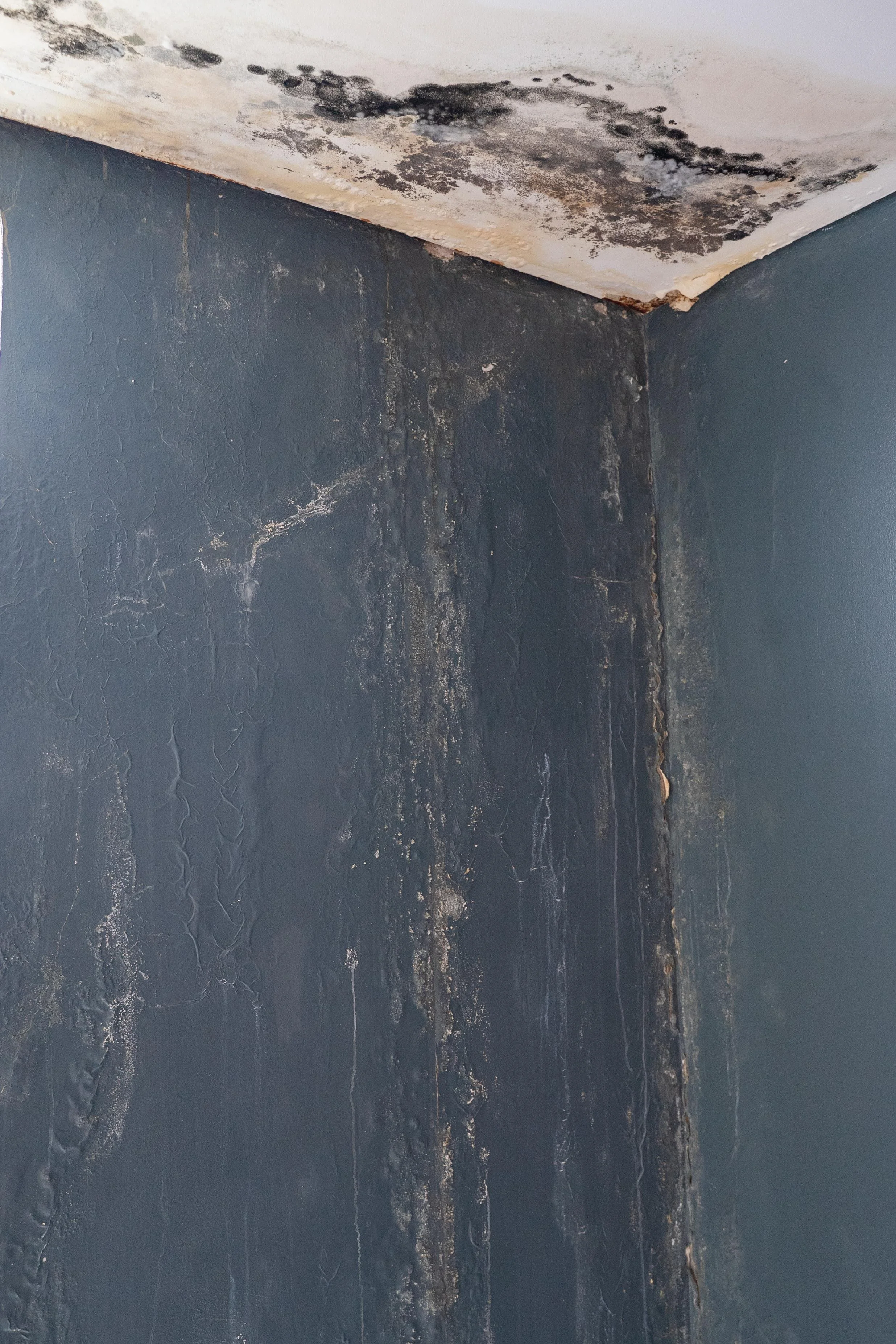
Energy is not becoming cheaper.
Indoor air quality awareness is rising.
Moisture and mould litigation is increasing.
Passive House is not marketing.
It is verification.
Once clients understand that difference, adoption accelerates.
Final Position
Passive House is rare in regional NSW because:
It exposes construction quality.
It requires integration.
It challenges standard pricing habits.
It demands testing.
It is not rare because it is impractical.
It is rare because it is disciplined.
If you are planning a new build or secondary dwelling in regional NSW and want performance verified — not assumed — begin with a Strategic Feasibility Review.
Precision early reduces cost later.
Or