My Story
Growing up and living on Sydney’s Northern Beaches is where I found my love for adventuring and exploration, and seeking mental and physical challenges. One of my friend’s mum was a well-known mountaineer, and that probably guided me toward wanting to do something big myself. I climbed Mount Kilimanjaro when I was 22 to get something under my belt. At that stage of my life I wasn’t interested in what others were doing — I wanted to push myself.
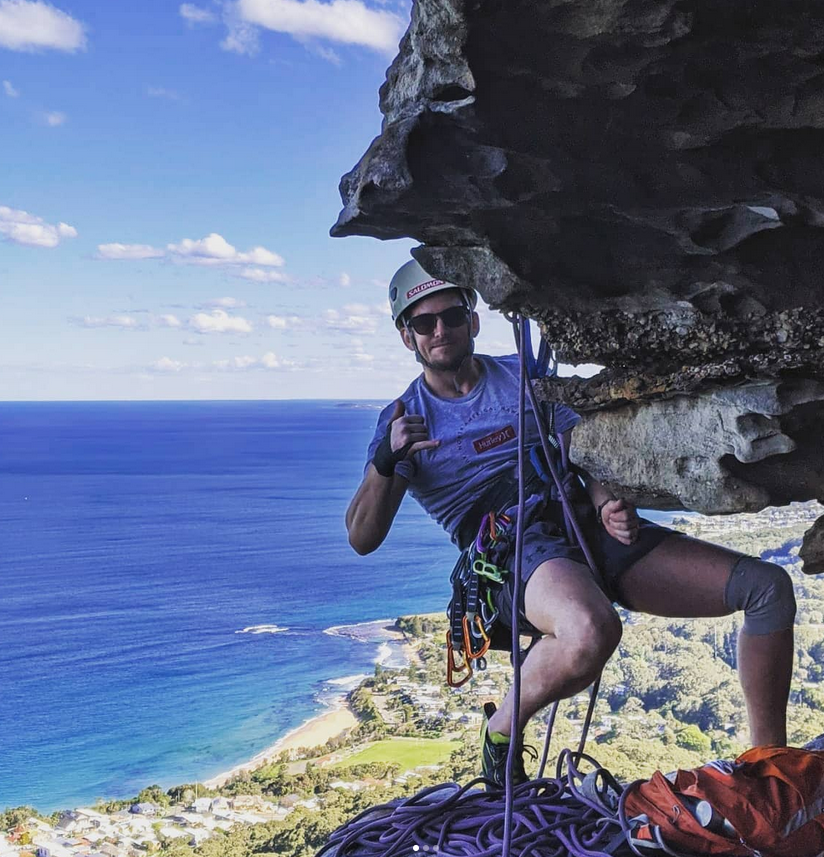
As things progressed, that mindset molded into a love for rock climbing. We lived super close to a crag, which allowed me to spend a lot of time hanging off a rock, often wondering why on earth I was doing it to myself. I’m naturally very scared of heights, but I love the adrenaline that comes with it. There’s something about being right on the edge of your comfort zone that forces perseverance.
In our mid-twenties my partner and I did a lot of traveling. We saw a great deal of what this world has to offer, which cultivated a deep sense of gratitude for the people we met and the places we experienced. Travel grounded me. It shifted my perspective and helped me understand what really matters.
I left school in Year 10 and went straight into a trade. Carpentry stood out as a good option, though at that age I didn’t really know what I wanted. All I knew was that I was better suited to something different from what school had to offer. It was the best decision I could have made.
Once I started everything clicked. Working outdoors, using my hands and building with timber felt natural to me, and I absolutely loved it. As time went on, those skills continued to evolve, and with them my interests shifted and my values began to take shape.
Fast forward to 2020. Within six months of moving to Coffs, a series of events unfolded that quietly reshaped my outlook on life and work — bringing both urgency and a surprising sense of calm.
Over the following three years, I lost several close family & friends, many far too young. Experiencing that level of loss while also growing a business and leading a team forced a reset. It became clear that some things can’t be rushed or controlled.
The main takeaway from that period is this: things do pass, however grim they may feel. People die — that’s part of life — and how you choose to show up, lead, and live by your values is what ultimately matters.
As that phase ended and life returned to normal, the clarity and direction I gained during that time became the foundation of a better version of myself and a new direction for the business.
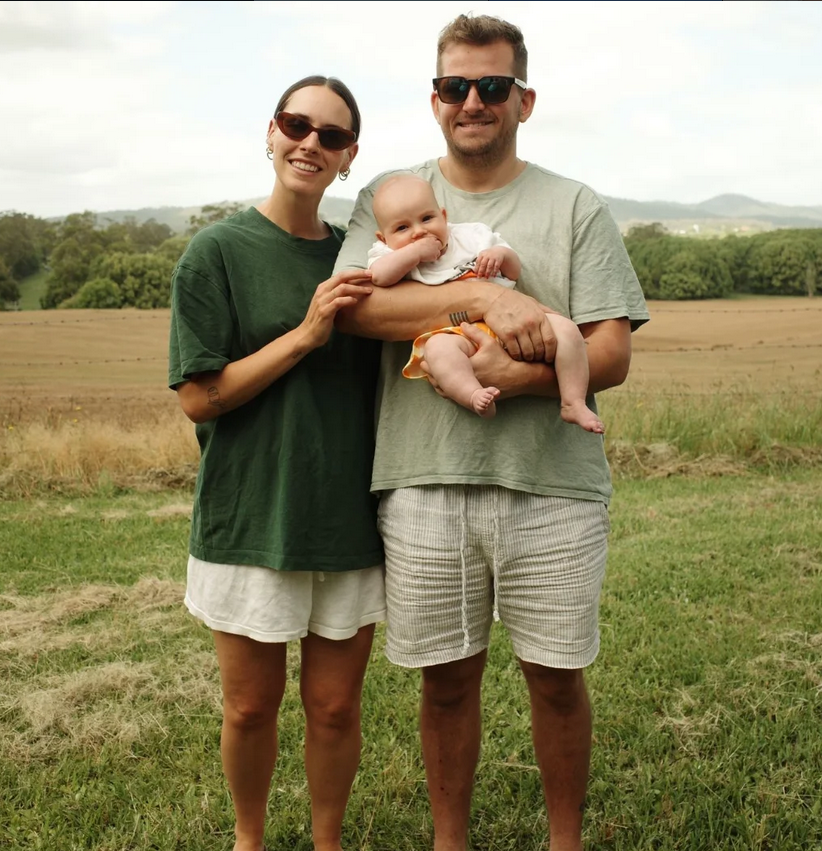
As a business owner, and someone who has a very strong internal motor, I’m always focused on evaluating and optimising. I’m very active physically — I love mountain biking, cycling, and strength training, surfing— and equally love a good glass of wine, live music and coffee. None of this would be as enjoyable without my life long partner, Emma. We met when we were young, started going out at 18 and we have been together ever since for over 18 years.
2025 was a great year for our family. We now have a beautiful 8 month old daughter, and an exciting new development underway on our property. 2026 promises to be a dynamic year ahead for the business.
A Systems-Led Business
What adversity taught me in business was the importance of systems. When the unexpected occurs, it needs to be addressed methodically and without disruption.
That understanding shaped how the company was built — investing in systems and people so there is accountability, trust, and clear process at all times.
Building From the Ground Up
In the early stages, I was involved in building out every element of the business. I worked task by task, overseeing everything closely, then delegating and pulling back only once I was confident each person fully understood their role and could execute it properly.
This approach ensured that systems weren’t theoretical — they were tested, refined, and proven in real conditions before being relied upon.
To support this structure, I’ve invested heavily in proper project management and team communication systems. I’ve also invested in myself — ensuring I’m mentally fit, clear, and capable — so I can lead effectively, make sound decisions, and build something that is stable, scalable, and sustainable.
Most businesses do what they need to do to tick a box. What I’ve done instead is push to the highest level possible, based on my own experiences, and deliver that standard consistently across the board.
To achieve this, I hired an automation and technology expert and invested in building a fully integrated, automated system that now acts as the backbone of our operations. This allows the business to run with consistency, transparency, and control, rather than relying on memory, assumptions, or informal handovers.
Documentation
I’ve deliberately gone down the path of building systems that prioritise a high level of documentation and accountability.
If you’re about to make the biggest investment of your life, you need to be certain that the company you hire has every stage of your build documented and signed off for both compliance and quality.
Every task is allocated with supporting photos, notes, and time tracking. At the end of each day, work is checked and verified, given a clear green light to proceed, then grouped, analysed, and rolled into structured weekly updates for our clients.
This approach allows us to identify human errors or process issues daily, rather than discovering them months later when work is complete and problems are far harder to fix.
Standards
Working to industry best practice — not the bare minimum required to pass certification — is non-negotiable in everything we do.
That means we charge more, use higher-quality materials, work with better-qualified subcontractors, and allow more time to complete each task, because a higher level of care is required.
What This Means in Practice
The result is a business that operates with clarity, discipline, and consistency — giving our clients confidence that their project is being managed deliberately, transparently, and to a standard that holds up long after the work is complete.